Links / Design
-
Current: an RSS reader
№ 129I linked to Terry Godier’s thoughts on RSS before.
He followed them up by launching his own RSS reader, Current. It has no unread count: new posts arrive, linger for some time, and then quietly fade away.
A lot of deep thought went into its creation and, the occassional UX niggle aside, I find it very pleasing to use.
I’m glad he turned the concept of RSS upside down and gave it a good shake. (I do hope the square-shaped macOS icon will be updated soon!)
-
Phantom Obligation
№ 125Terry Godier on why RSS readers (still) look like email clients, and why that means the design has guilt built-in.
He asks Brent Simmons, the designer of the first RSS reader, NetNewsWire, who says:
The part I don’t understand and can’t explain is why RSS readers are still mostly following this UI. But every new RSS reader ought to consider not being yet another three-paned-aggregator. There are surely millions of users who might prefer a river of news or other paradigms. Why not have some fun and do something new, or at least different?
-
I’m a fan of Matt Willey’s work. I found him through INQUE, the large-format annual literary publication he designs, and followed his work since. Here he is speaking at Typographics 2025 about designing TV titles for, among other things, Killing Eve. (He also designed the titles for Landscapers, a great show I had entirely forgotten about.)
Cheers to Charlie for sharing.
-
The Quietus, revamped
№ 109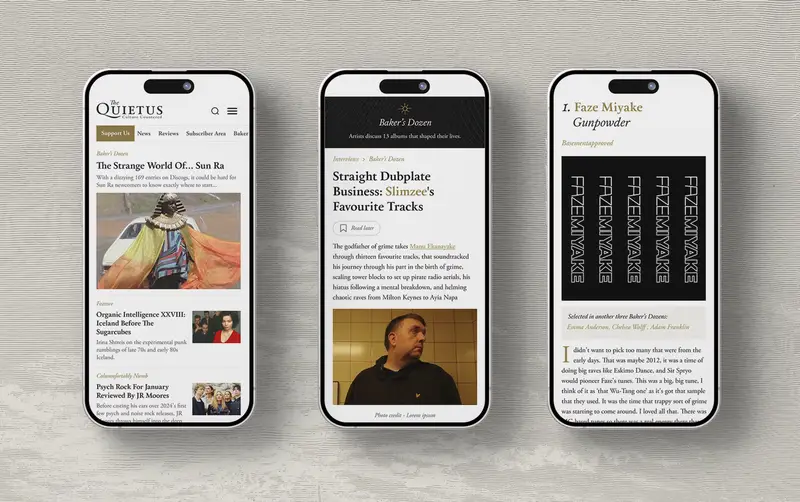
Earlier this year I noticed The Quietus got revamped, and I’ve been reading their work much more since then. The glow-up was done by 11:11, who took on the branding, design and development work.
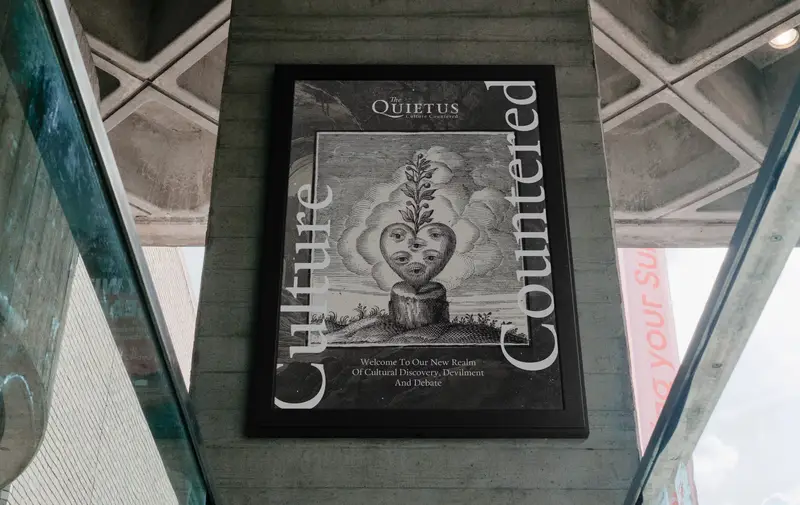
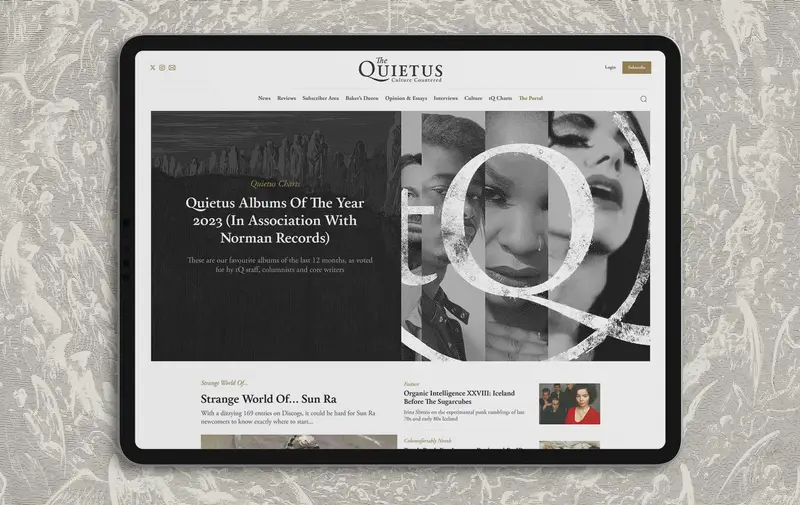
The revamped The Quietus, all images courtesy of 11:11. I appreciate the tactile nature of the work; the combination of the typography and illustrations makes the site feel ‘reader-first’, if that makes sense—as opposed to most similar sites, where the writing is buried beneath a pile of ads, waiting to be excavated.
-
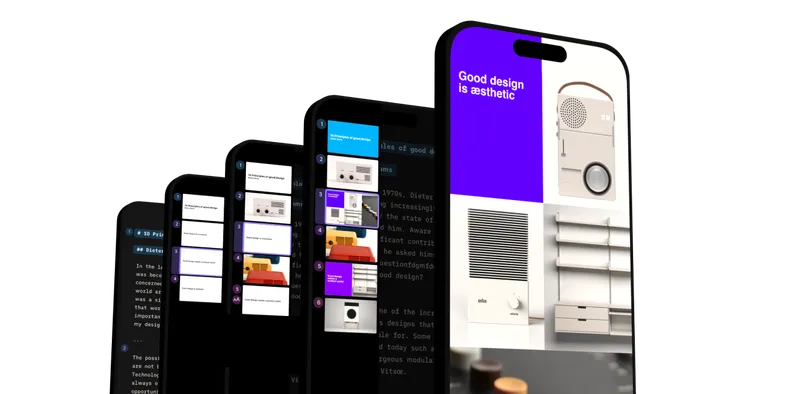
iA Presenter. Image by Information Architects. iA Writer has been my go-to writing app on Mac and iOS for over a decade, but I’ve never properly gotten stuck into iA Presenter. Its release coincided with my role shifting, and having to create fewer presentations as a result.
They’ve now released version 1.5 of their app, which has seen them strip away even more of its features to benefit the primary workflow, and I can really get behind their reasoning.
PowerPoint and similar apps start by letting you pick a design. Making your presentation look good right away sounds helpful. But in practice, it distracts. It shifts your attention to how the slides look instead of what you want to say.
Putting the focus on design from the get-go is a fundamental mistake. To make the user concentrate on the message, the design should stay in the background… until it’s time for design. Flashy colors in the default template are counterproductive.Most of making a good, thoughtful presentation (or website, for that matter), is the writing. Writing to tell a good story, rather than showing good slides. Most of their competition doesn’t seem aware of or bothered by that, and I appreciate them doubling down on this notion.
-
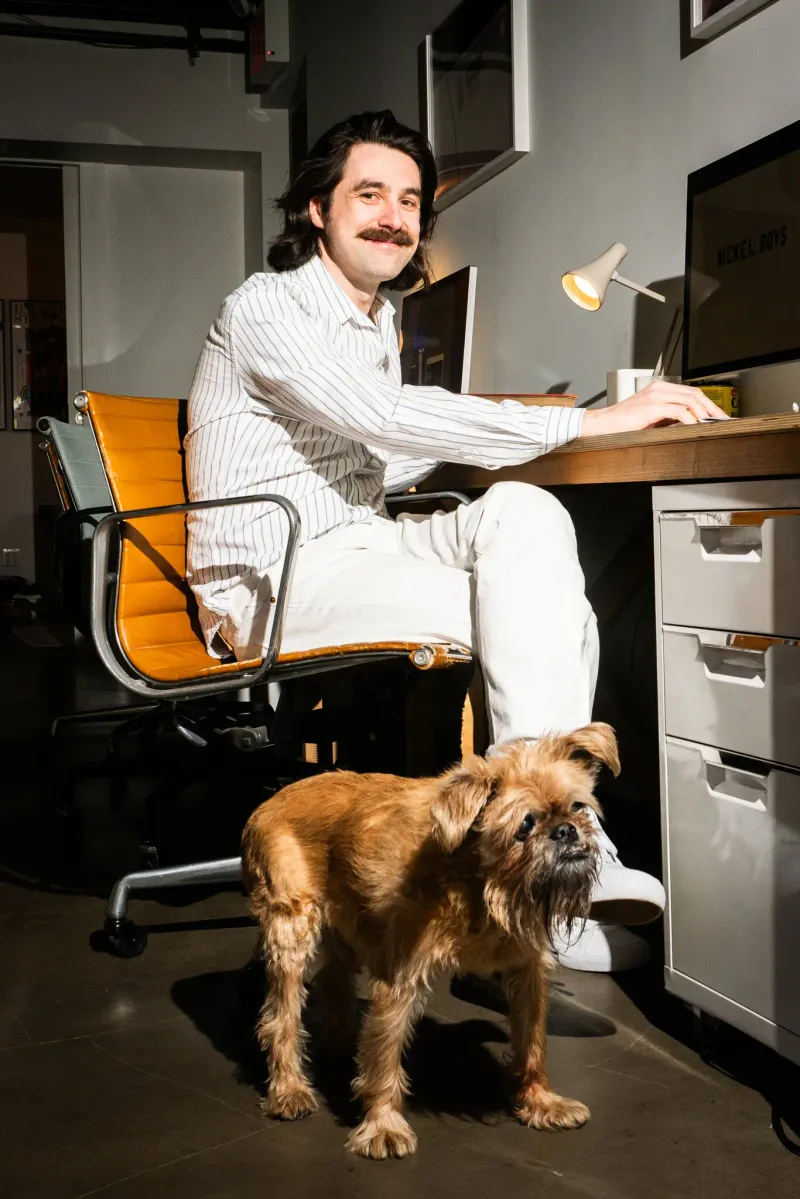
Teddy Blanks. Photo by Graham Dickie for The New York Times. Responsible for the opening titles of films like Barbie, Nosferatu, Midsommar and Wicked, and TV shows like Severance, Teddy Blanks is becoming the modern-day Saul Bass.
-
Usable Google Fonts
№ 86
Mike of Smith & Diction put together this useful resource, in the form of a Figma file, for picking... well, ... usable Google fonts. Take your pick!
Thanks for sharing, Cameron.
-
Luke Wroblewski argues that AI has flipped software development: first we had designers design a feature, and engineers sort out what code they needed to ship it; now, engineers build a feature using AI, and designers sort out the UX and UI needed to polish it.
I’m unsure if this actually is faster. I’m aware that some of the upfront work designers do can slow things down—there is a balance to how much one should do upfront, and how much should be done in code—but I think designing a feature, ideally, is a little more than “cleaning up” after the engineers, as Luke describes.
There’s quite a lot of collaborative design work (or design thinking, if you will) to be done to enable a designer and/or engineer to effectively (vibe)code their way to a working prototype or feature.
-
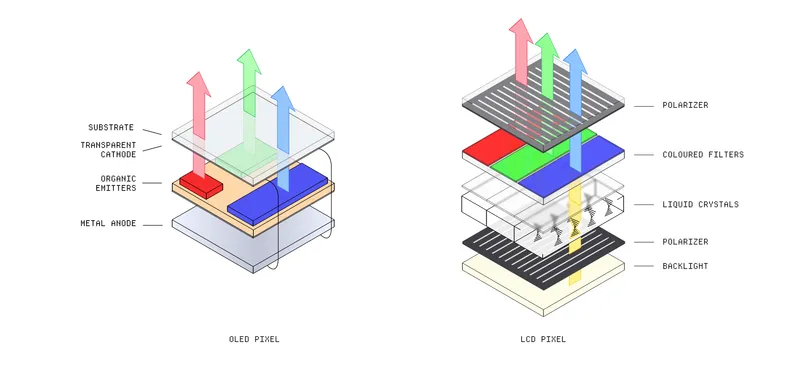
Dan Hollick is writing and illustrating a “reference manual for people who design and build software”, and he just released its first chapter: How does a screen work?. And, I appreciate him starting with the hardware before digging into the software:
[...] most people have no idea how a screen works. Any time you see a pixel light up, you are witnessing actual witchcraft before your eyes - light bending through electric crystals just so you can read a tweet in bed.
It reminded me of Wim Crouwel’s New Alphabet, a typeface (or typographic experiment) he created in response to the technology found in a CRT monitor.
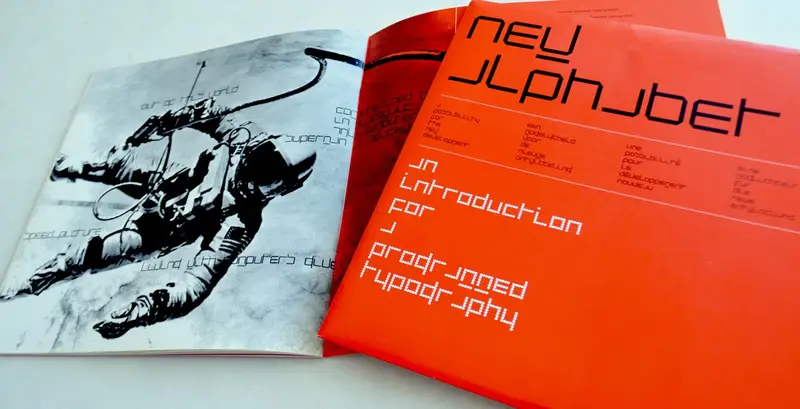
Implied in that experiment was an urge to truly understand the technology his work was created for or displayed on. It seems Dan’s manual is aiming for a similar rigorousness, which is exciting!
-

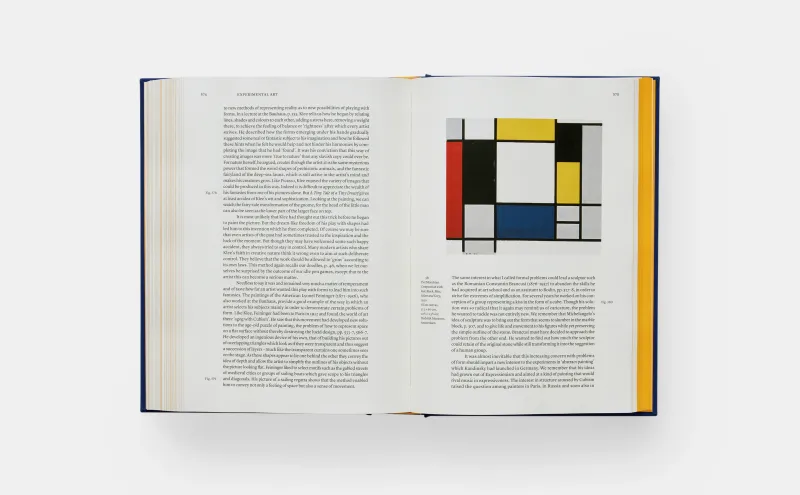
The world’s most popular book on art is the topic of my book club this month. I’ve never read it (shame on me), and had to choose between a paperback version or this large, clothbound luxury edition. Easy decision.
This luxury edition, with its bespoke cloth cover and preface by Professor Gombrich’s granddaughter Leonie, is the ultimate gift purchase for all art lovers – a keepsake to treasure, and to inspire future generations.