Links / Essay
-
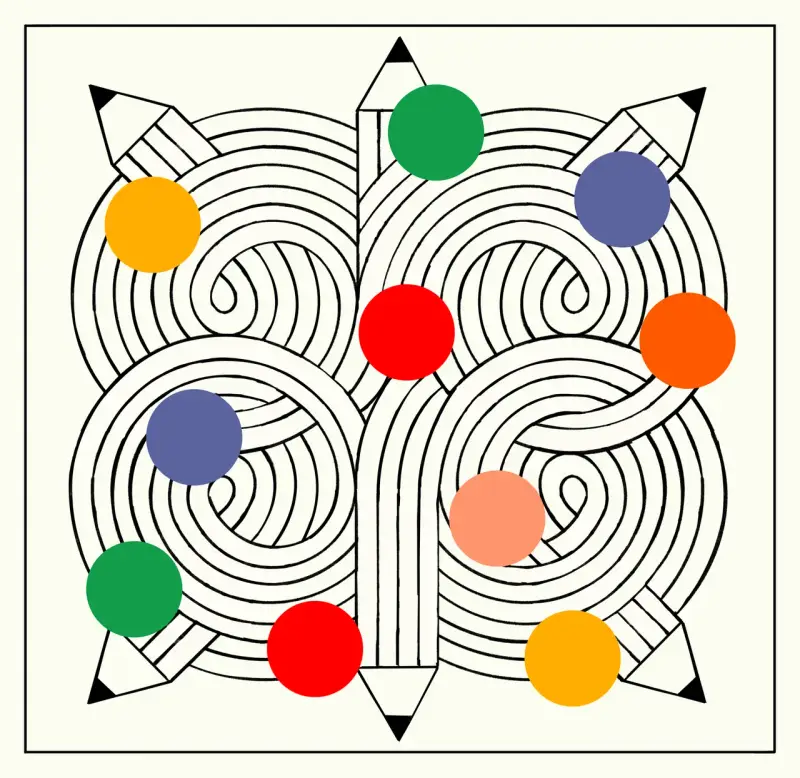
Illustration by Pierre Buttin. Zadie Smith, on essay writing for The New Yorker, making it sound easy (paywalled once more, I apologise). In-between the lines, her most puzzling admission, for me:
(I still write the opening and last lines of an essay first.)
Fascinating. The meandering form of an essay is difficult enough to master, let alone knowing where you’ll end it before you commence.
“Bob’s your uncle".
-
Ben Lerner’s (paywalled) essay on his open-heart surgery for The New York Review is something else. Gruelling, but beautiful.
As she removed the tape and cleaned the tips of the wires where they protruded near my lower sternum, I asked her what kind of pain I should expect. I’d been told the wires were “gently tacked” to the outermost layer of my heart wall. She said that patients rarely reported pain. [...] What people report, the nurse explained, is that it feels like mice scurrying in their chest. Wait, more than one patient has said this thing about mice? I asked. Yes, she said. A lot of people have told me that.
-
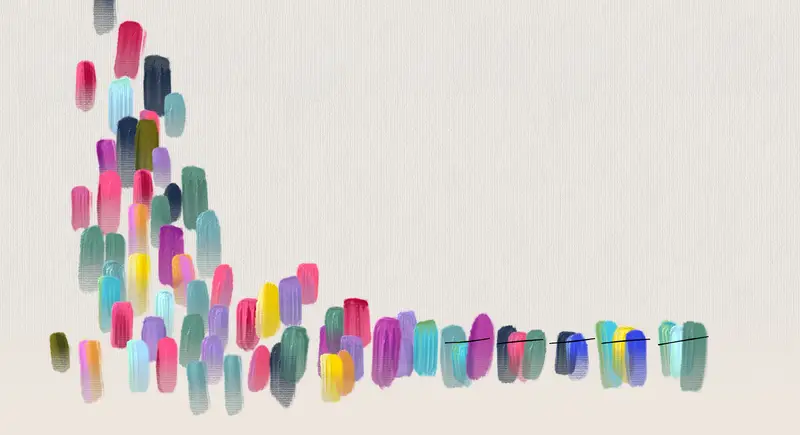
Every day is filled to the brim with appointments, meds, needles, bills and pain. The brushstrokes of my illness are suffocating.
Giorgia Lupi, an information designer, on three years of long Covid. I encountered the piece because it was nominated for a Webby for Best Datavisualization. What has become of her life sounds horrendous; how she has chosen to present that horror, is admirable.
-
Taste at speed
№ 55As I was finishing up writing a talk for Adyen’s Studio Day (on designing and writing with attention and intention, on quality and craft, on taste, and on AI tooling), an email arrived in my inbox. In it was the latest post by Carly Ayres, writer, and previous co-founder of HAWRAF, and it reinforced the line of thinking I’d been on.
She writes about taste, speed and AI and how, while AI may lower the bar to get to a decent first draft of whatever it is you’re creating, speed doesn’t always indicate progress. Progress may just be movement.
Tools produce polish, but not perspective.
I see many people writing about this at the moment. About how perspective and taste are what can set a good designer apart. About how creative constraints and thoughtful revision are key to an outcome that’s good, and not just finished.
-
Erin Kissane writes about online spaces and what makes them unbearable and joyful. The post is under her wreckage/salvage moniker, a “tiny studio and display case for small research projects and long-form explorations.”
-
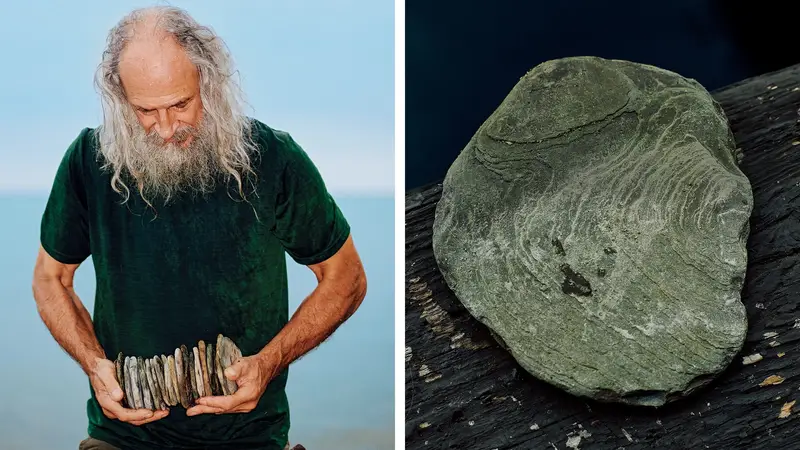
An essay I wrote recently led me down a rabbit hole on stone skipping, culminating in this read on Kurt Steiner, a man who "has dedicated his entire adult life to stone skipping, sacrificing everything to produce world-record throws that defy the laws of physics."
-
In response to a recent post by Elle Griffin ("No one buys books"), Lincoln Michel decides a more positive take is needed.
-
“One thing I am never not thinking about, though, is how all nonfiction today feels pushed into providing solutions to inexorable problems—and how our habits as readers, and what we want from nonfiction texts, increasingly reflect that “historically specific… method of valuing work and existence” that Odell explores. We want a book to be productive, a good use of our time. But I’m not sure this is a great way to think about art or writing or reading.”
A thoughtful essay on time by Amanda Montei, touching upon a book I’ve been meaning to read (Jenny Odell’s Saving Time), upon time reclaimed by mothers, gendered time, upon having "enough time", which … no one ever seems to have.
-
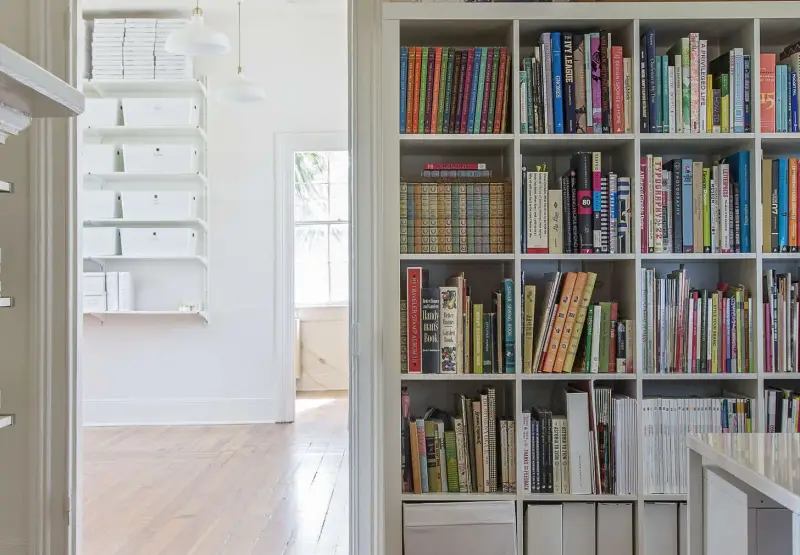
Fascinating essay on how digital platforms (like iTunes, Spotify and the like) have killed "collecting" as a hobby.
-
Useful Praise
№ 19I got squeezed into the rabbit hole that is Mandy Brown’s website, and dug up this work note on praise. The act of praising others, to me, is a muscle you train, and a habit you learn to finesse. Praising others at work is an important thing to do often, and do well. "If you can get really good at noticing when your colleagues are truly killing it—and then sharing what you notice—you will all get even better at those things together, even faster than you think."