Links
A regularly updated collection of things I find worth reading, watching, or listening to. Subscribe via RSS.
-
Matthew Butterick’s Practical Typography—reader-supported, ad-free, and still one of the most useful things to read on typography I know. Published on the web since 2013.
Start with “Typography in ten minutes”, five rules that will, as he puts it, make you “a better typographer than nearly every writer—and even most graphic designers”.
My personal favourites to nerd out on: straight and curly quotes, ampersands, paragraph and section marks.
-
My favourites? Too many.
Related reading from 2018, Laurel Schwulst’s “My website is a shifting house next to a river of knowledge. What could yours be?”.
-
A 26-minute documentary by NYT Cooking on what makes a good restaurant sign, and what they mean to a business. They look at New York City’s iconic lettering with the artists behind Noble Signs, who hand-painted signs all over the city. Wonderful work.
-
McLaren M6GT
№ 138The Special Operations team at McLaren restored the McLaren M6GT, a car designed in 1967 by Bruce McLaren, yet never made it past the prototype phase.


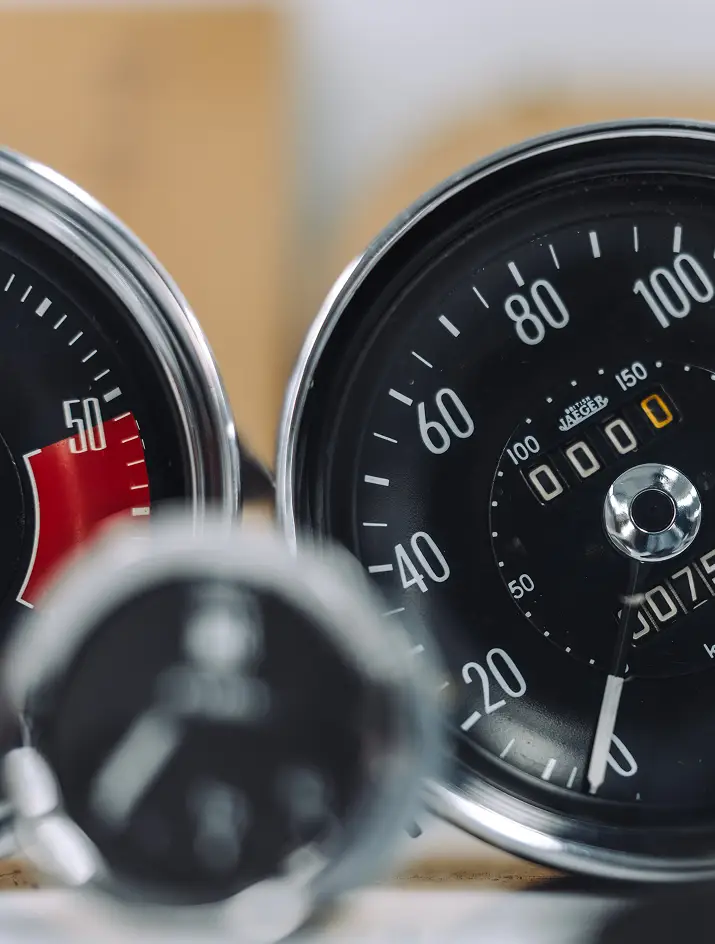
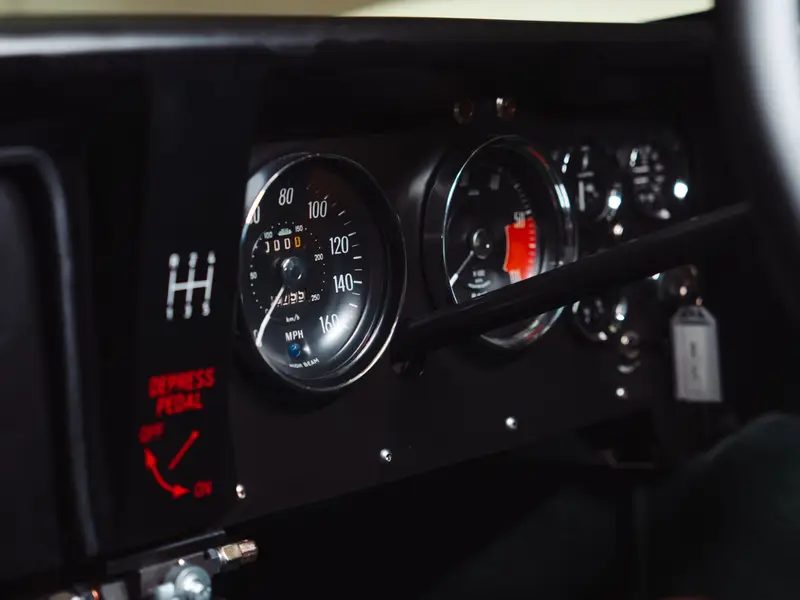
Details of the McLaren M6GT This was never going to be a simple rebuild. We took it as an act of custodianship, with an immense responsibility to stay true to the original vision. The goal wasn’t merely to imitate the M6GT, but to bring it back. Honestly. Faithfully. With the same obsession that Bruce channelled into the original.
There’s a short video of it on YouTube, too. Gorgeous machinery.
-
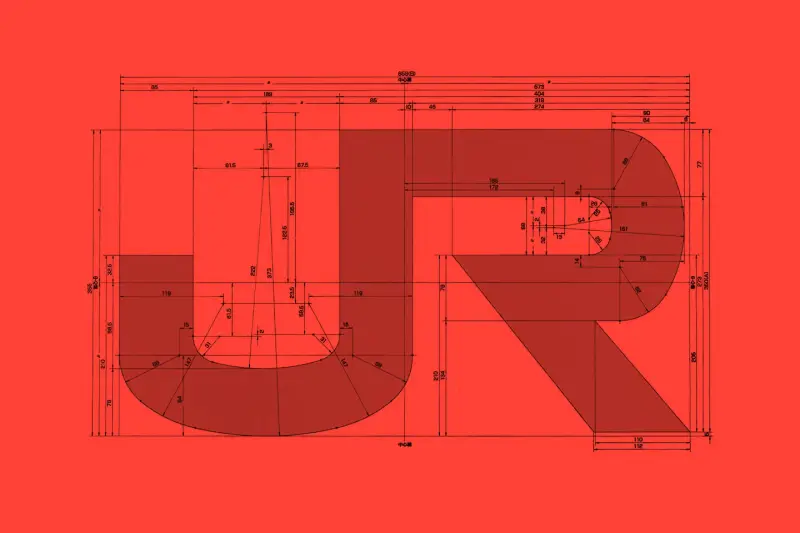
Arun Venkatesan outlines how Japan’s railway companies all carry one logo across thousands of vehicles, maintaining a distinct, shared visual identity for what is actually eight different organisations.
[...] the new corporate identity was commissioned as a single system that would apply across all the companies. In just 124 days — beginning with the passing of railway reform bills — the new JR companies launched across Japan, with new branding applied to every vehicle. The brief was minimal. The designers were given full control, told only that the group had to be called either “Japan Railways” or “Nippon Railways”. It was up to them to find a solution that worked aesthetically and within the constraints.
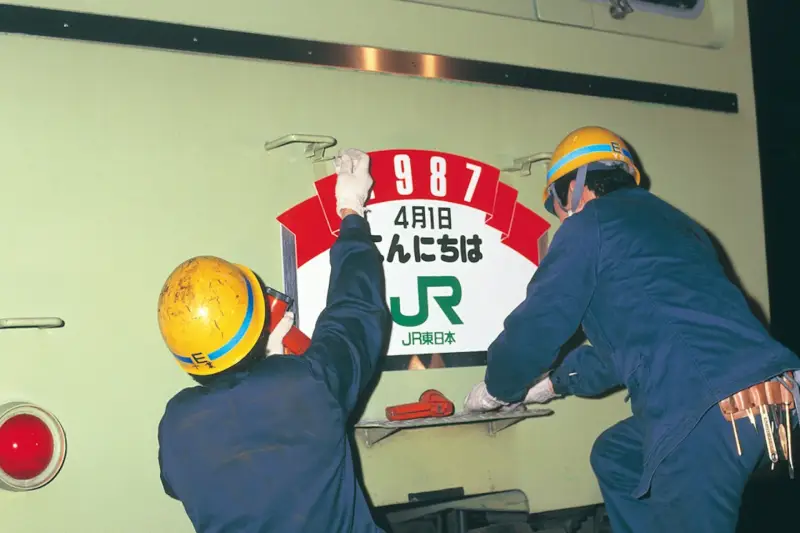
Workers applying the JR branding. Image courtesy of NDC Great story for a great brand identity. Perhaps unsurprisingly, its design process is reminiscent of Studio Ghibli’s, in that an older man struggled to delegate the design work to a younger team, and pulled all-nighters to deliver it.
-
The strangest thing happened in my brain today, where SpaceX’s IPO reminded me of this guitar teacher, who hears Radiohead’s Weird Fishes/Arpeggi for the first time, tries to deconstruct it on the fly, falls for it, and is especially taken by Phil Selway’s drumming like a metronome.
-
Over the past few years I’ve grown to appreciate Jeff Parker (virtuoso guitarist from Chicago) very much. The jazzy, improvised nature of his work—best exemplified on a few of his recent albums, like The Way Out of Easy and Mondays at the Enfield Tennis Academy—is just phenomenal.
The latest album he’s released with his quartet, Happy Today, might be my favourite so far. International Anthem and Nonesuch Records recently uploaded the video of its recording to YouTube, and it is a trip.
Jay Bellerose on drums and percussion, Anna Butterss on acoustic bass, Josh Johnson on alto saxophone—I hope to catch them live all together one day. I can’t believe this has accrued just 14K views so far!
-
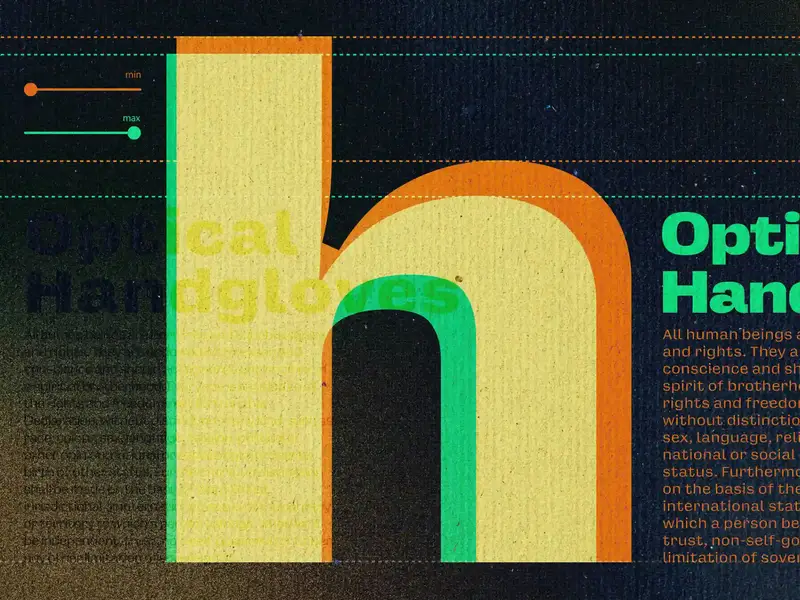
For five centuries, every typeface size was its own unique design. What we now call optical sizing—the practice of adapting a typeface’s design for different sizes to keep it readable—is a modern attempt to preserve that deliberate design choice to honor size-specific type, even though the physical reasons for it no longer apply.
A nice reminder by Elliot Jay Stocks on optical sizing in typography, and how variable fonts quietly restore this craft. Using
opsz, the browser already mapsfont-sizeto the right optical size for you, but you can take it one step further and tweak it by hand for different resolutions (as Elliot has done on his personal website).Similar to his, my site uses Oh No Type Co’s Degular too, and I have optical sizing enabled as well. You’ll see it render differently in page titles than it does in the inline
opszhere in the body copy. -
Once a climate project, electrification is now a geopolitical insurance policy. Seventy-five percent of the world’s population lives in net fossil fuel importing countries and collectively spends $1.7 trillion a year importing fuels. Many of those governments facing a loss of confidence in global oil and gas markets are expanding clean energy and electrification projects. In April, France announced $10 billion in subsidies for EVs and heat pumps. The month prior, Spain introduced measures to further speed up electrification, renewable generation, and storage. Vietnam is about to ban petrol motorbikes in downtown Hanoi and Ho Chi Minh City; the country’s giant conglomerate Vin is abandoning a planned LNG terminal in favor of a renewable project. Nigeria’s solar imports from China in March were more than five times the level of a year earlier. The list is endless.
Two wars in four years, and especially the war on Iran, are accelerating the energy transition. Domestic electrons are starting to look like security.
-
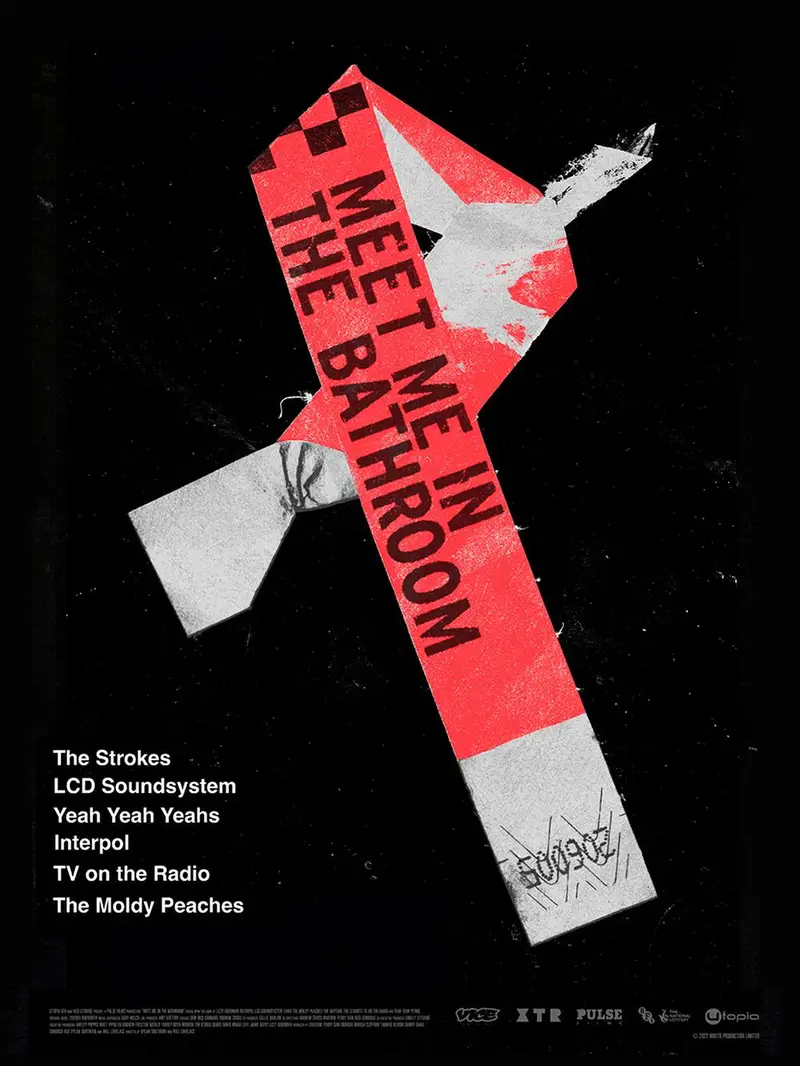
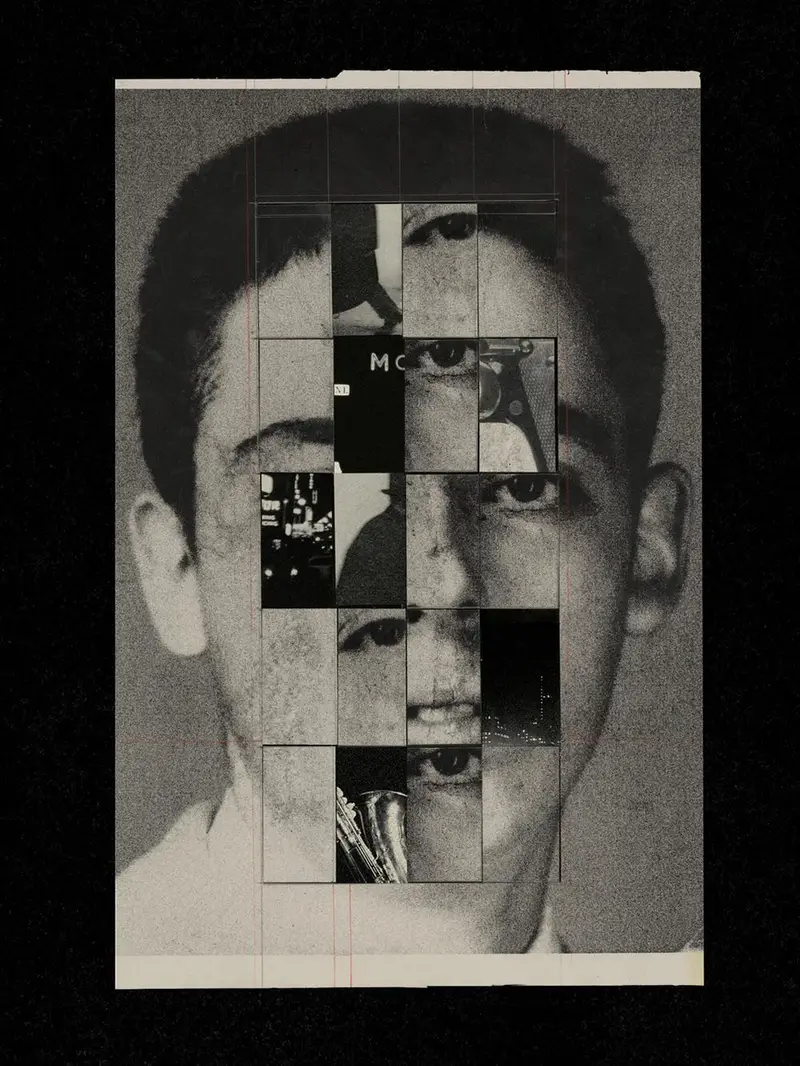
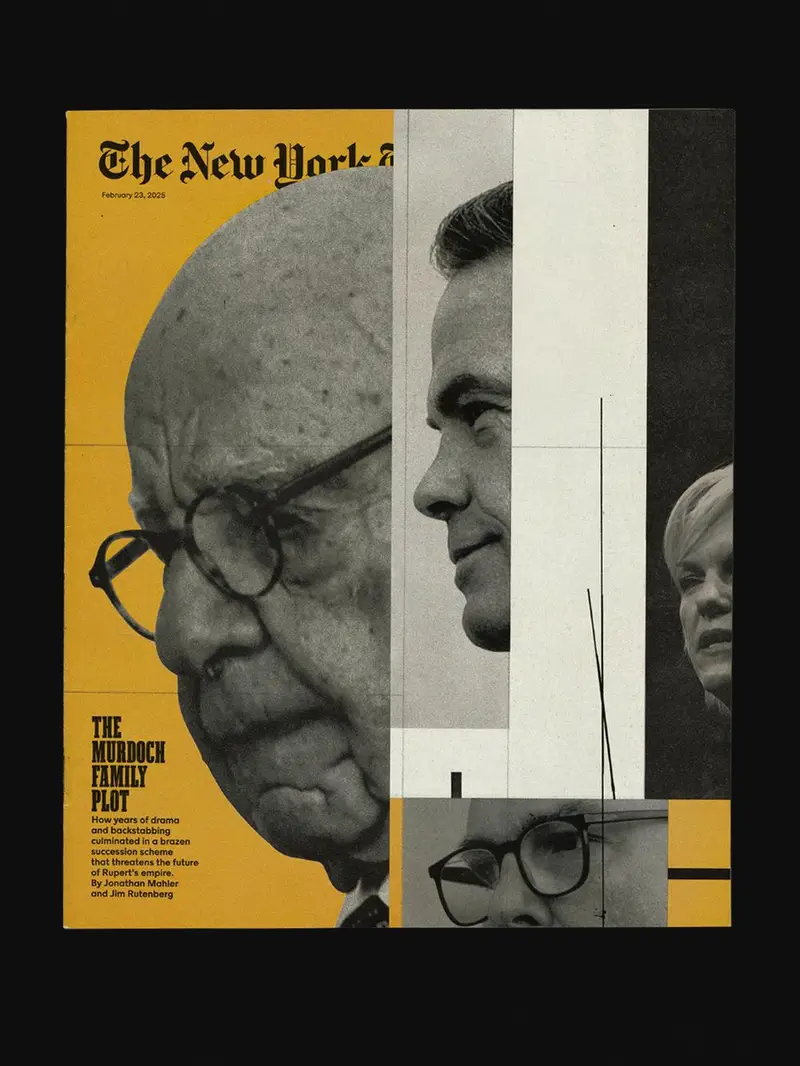
The collage work of Mike McQuade I’ve been drawn to collages recently. A friend shared an article from The Atlantic, a while back, and it featured the work of Mike McQuade, whose work I was familiar with from the Meet Me In The Bathroom posters, but I’d never dug through his portfolio in detail. Well worth your time.