Links
A regularly updated collection of things I find worth reading, watching, or listening to. Subscribe via RSS.
-
Selling Lemons
№ 101Frank Chimero on “a market for lemons”, an idea taken from a 1970 paper by George Akerlof, used to—accurately, I think—describe the current state of the web.
What makes the Market for Lemons concept so appealing (and what differentiates it in my mind from enshittification) is that everyone can be acting reasonably, pursuing their own interests, and things still get worse for everyone. No one has to be evil or stupid: the platform does what’s profitable, sellers do what works, buyers try to make smart decisions, and yet the whole system degrades into something nobody actually wants.
The degradation of the web has been on my mind, so his post resonated with me. I guess the launch of an app called Vibes, made to spew AI-generated slop into a feed that’s full of it, only adds fuel to that fire.
-
Merging my RSS feeds
№ 100I feel bad for using the 100th post here to point your attention to something so meaningless, but I’d like to just make sure to get it out of the way: I’ve made some changes to the RSS feeds on this site. If you follow me via RSS, please read this post and, if you like, re-subscribe using this link.
I’ve greatly enjoyed picking up the pace here, and look forward to publishing the next 100 posts. I hope you do too.
Thank you for reading!
-
Did you know birdwatching is a competitive sport? I didn’t. I’ve downloaded Merlin Bird ID, but that’s about it.
This funny, somewhat obnoxious, and very well made two-hour documentary does a great job diving into the subculture. When I started watching it I thought "I’ll probably finish this over a day or two", but I couldn’t stop watching it.
-
You Need to Be Bored
№ 98Arthur C. Brooks, a Harvard professor, explains why boredom helps you be more creative, and less depressed. I feel like this is common knowledge, but it seems like we—as humans—are less and less capable of allowing boredom into our lives. This video was a helpful reminder of why doing so is a good thing.
-
Ode to the Dinkus
№ 97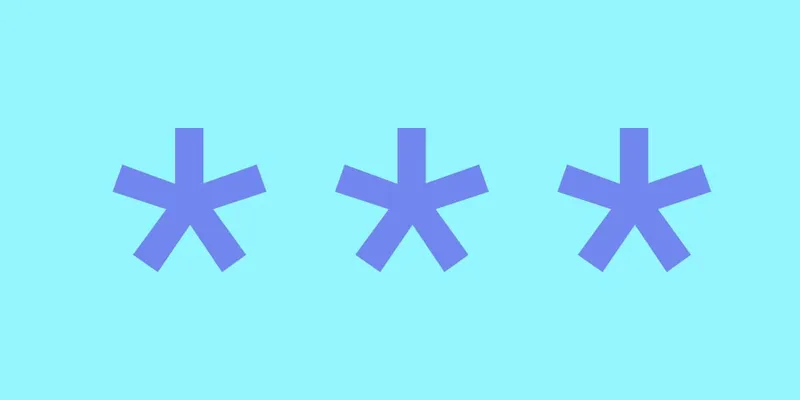
The Dinkus Three months ago, I was a normal person. Now all I think about 24-7 is the dinkus.
I use the word dingus a lot, and had no clue that a line of three asterisks (***), often used to create a breather between two paragraphs of writing, was called a dinkus. My sincere thanks to Đorđe, who suggested I have a custom one made for Trema.
The dinkus, mind you, is not to be confused with the asterism (⁂). Daisy Alioto, writer and dinkus influencer, explained it all, years ago, over on The Paris Review.
-
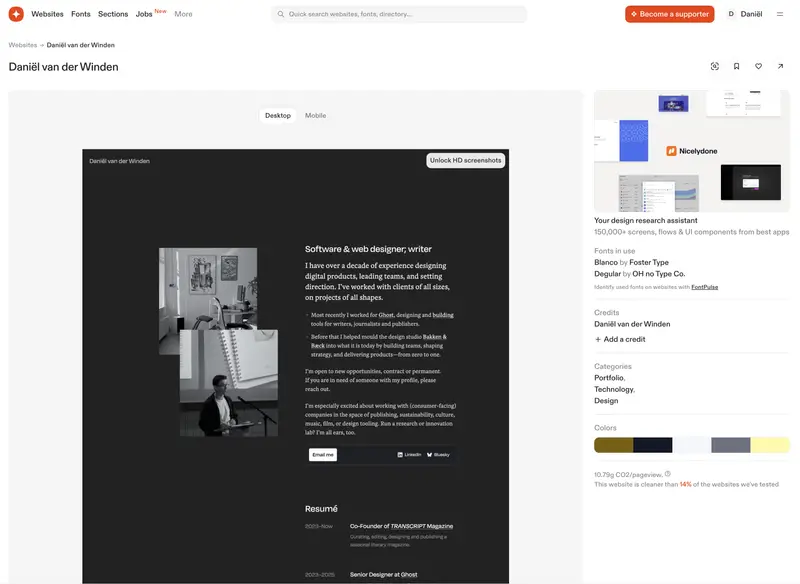
This very website was featured on MaxiBestOf, which has quickly become my favourite web design gallery (and, it should go without saying, that is unrelated to them featuring my website). They steadily publish new sites, usually of a high quality, and in doing so it’s become a web design gallery I can safely rely on for design inspiration.
Before, they’ve featured the website I created for my magazine, TRANSCRIPT, as well as the previous iteration of my personal website.
Thank you! I appreciate it.
-
The same reason you would bake a batch of cookies: because you enjoy it—the process itself, but also the result.
Make websites because you like to.
-
Philip Bump, previously a national correspondent at The Washington Post, on the question of whether you can positively influence, say, X’s direction by staying on it, as some are arguing.
Since I left The Washington Post, this question has guided my discussions with people interested in my writing for them. I’ve had numerous offers to write that I have (hopefully respectfully) declined. I’ve done so largely because I am trying to be conscientious about the prior question, to work with and for institutions that are directing their accrued power responsibly.
He goes on to say that this is why he doesn’t use Substack, and I wish more people would follow his example.
-
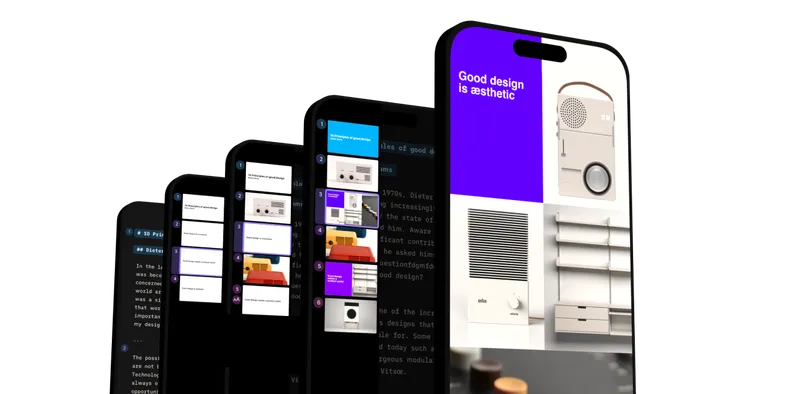
iA Presenter. Image by Information Architects iA Writer has been my go-to writing app on Mac and iOS for over a decade, but I’ve never properly gotten stuck into iA Presenter. Its release coincided with my role shifting, and having to create fewer presentations as a result.
They’ve now released version 1.5 of their app, which has seen them strip away even more of its features to benefit the primary workflow, and I can really get behind their reasoning.
PowerPoint and similar apps start by letting you pick a design. Making your presentation look good right away sounds helpful. But in practice, it distracts. It shifts your attention to how the slides look instead of what you want to say.
Putting the focus on design from the get-go is a fundamental mistake. To make the user concentrate on the message, the design should stay in the background… until it’s time for design. Flashy colors in the default template are counterproductive.Most of making a good, thoughtful presentation (or website, for that matter), is the writing. Writing to tell a good story, rather than showing good slides. Most of their competition doesn’t seem aware of or bothered by that, and I appreciate them doubling down on this notion.
-

Teddy Blanks. Photo by Graham Dickie for The New York Times Responsible for the opening titles of films like Barbie, Nosferatu, Midsommar and Wicked, and TV shows like Severance, Teddy Blanks is becoming the modern-day Saul Bass.